Buying an electric vehicle is only one part of switching to electric driving. Choosing the right home charging equipment is equally important. A suitable home charger can make everyday charging more convenient, help you manage electricity costs and provide the flexibility to charge your vehicle around your routine.
However, not every EV charger offers the same features. Charging speed, cable design, smart controls, electricity supply and compatibility with your vehicle should all influence your decision.
If you are comparing home charging options in Staplehurst, this guide explains what to look for before investing in a charging point.
1. Understand the Different Types of Home EV Chargers
Most homeowners looking for a dedicated charging point will compare AC wall-mounted chargers.
| Charger type | Typical power | Best suited for |
| Standard home charger | 3.5–7kW | Overnight domestic charging |
| Higher-powered AC charger | Above 7kW, subject to supply | Homes with suitable electrical infrastructure |
| Portable charging cable | Usually up to 2.3kW from a standard socket | Occasional or emergency use |
A 7kW charger is a common choice for UK homes with single-phase electricity supplies. However, the actual charging speed also depends on the vehicle’s onboard charger and available electrical capacity.
An 11kW or 22kW charger is not automatically a better purchase. These options generally require a compatible three-phase supply and a vehicle capable of accepting the additional power.
For most households, choosing a charger that matches their daily driving requirements is more sensible than paying extra for unused capacity.
2. Tethered vs Untethered EV Chargers: Which Should You Buy?
One of the first decisions is whether to purchase a charger with an attached cable or a socket-only model.
Tethered chargers
A tethered charger has a permanently attached charging cable.
Advantages:
- Convenient for everyday charging.
- No need to store a separate charging cable.
- Quick connection when arriving home.
- Useful for regular overnight charging.
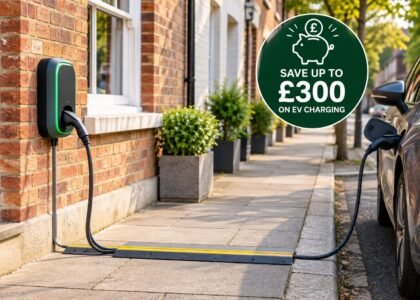
Considerations: The cable needs suitable storage, and its length should comfortably reach your vehicle’s charging socket.
Untethered chargers
An untethered charger has a socket into which you connect your vehicle’s charging cable.
Advantages:
- A cleaner appearance when not in use.
- No permanently hanging cable.
- Can be convenient for households with different EVs.
Considerations: You must store and handle your own charging cable.
| Feature | Tethered | Untethered |
| Attached cable | Yes | No |
| Convenience | High | Depends on cable storage |
| Appearance | Visible cable | Neater when disconnected |
| Cable flexibility | Fixed cable length | Use a compatible separate cable |
Buying tip: Choose tethered if convenience is your priority. Consider untethered if you prefer a minimal appearance or want greater flexibility when using different vehicles.
3. Smart EV Charger Features Worth Paying For
Smart charging can make a noticeable difference to how you use your home charger.
Before purchasing, consider these useful features:
Scheduled charging: Allows you to set charging times, particularly useful when your electricity tariff offers cheaper off-peak rates.
Energy monitoring: Helps you understand how much electricity your vehicle consumes during charging.
Dynamic load balancing: Adjusts charging power according to the electricity being used elsewhere in your property, helping manage the available supply.
Solar compatibility: Some chargers can coordinate charging with surplus solar generation. Check whether the system supports the solar operating mode you actually need.
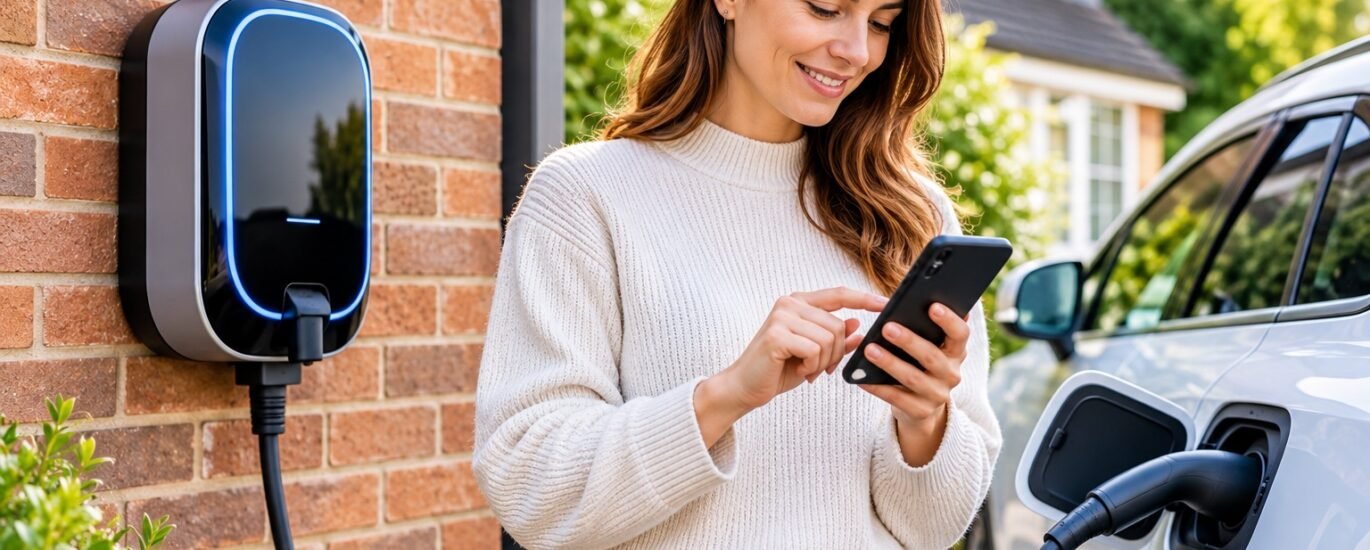
Mobile application: Allows you to monitor charging sessions and manage settings remotely.
Not every household needs every feature. For example, solar integration is more valuable if you already have solar panels or are planning to install them.
4. Compare Real EV Charger Models Before Buying
Comparing actual specifications is more useful than choosing a charger based on appearance or advertised charging speed.
Here are two examples with publicly available manufacturer information.
| Specification | Ohme Home Pro | Hypervolt Home 3 Pro |
| Charging output | 7.4kW | 7.4kW |
| Supply | Single-phase | Single-phase |
| Cable | Tethered | Tethered |
| Cable options | 5m or 8m | 5m, 7.5m or 10m |
| Dimensions (H × W × D) | 170 × 200 × 100mm | 328 × 243 × 101mm |
| Smart controls | App and screen | Smart controls |
| Solar-related features | Solar compatible | Check model configuration |
These are examples of products available in the UK market, not a statement that Dall Engineering stocks or supplies either model. Always check the latest manufacturer documentation before ordering.
The physical dimensions matter too. A compact charger may be preferable where wall space is limited, while cable length and mounting position can be more important than the unit’s appearance.
5. How Much Should You Budget for a Home EV Charger?
The total cost depends on the charger model, installation requirements, cable route and condition of your existing electrical system.
Publicly advertised UK examples include:
| Provider / model | Published price |
| Kent EV EVEC | From £830 installed |
| Kent EV Ohme Pro | From £990 installed |
| Ohme Home Pro | From £999 including standard installation |
| Checkatrade Staplehurst estimate | £897 average |
These figures are indicative market comparisons, not guaranteed quotations. Standard installation packages can have different inclusions and exclusions.
Additional costs may arise if the installation requires:
- A longer cable route.
- Consumer unit improvements.
- Additional electrical protection.
- Special mounting arrangements.
- Work to resolve earthing or supply limitations.
Ask for an itemised quotation covering the charger, labour, materials, testing, certification and VAT.
6. Check Your Property Before Ordering a Charger
A charger that looks suitable online may not be appropriate for every property.
Before purchasing, consider:
- Consumer unit: Is there sufficient capacity and suitable protective equipment?
- Electrical supply: Is your property single-phase or three-phase?
- Parking position: Can the cable reach the vehicle without creating a trip hazard?
- Cable route: How far is the proposed charger position from the electricity supply?
- Wi-Fi signal: Will smart features work reliably at the installation location?
- Earthing: Does the existing arrangement meet the applicable safety requirements?
An installer should assess these factors before confirming the equipment and installation method.
7. Installation, Maintenance and Everyday Accessibility
A professional installation generally involves an initial property assessment, charger positioning, electrical checks, cable installation, connection, configuration and final testing.
The work should comply with applicable electrical installation requirements, including BS 7671 and the relevant EV charging standards.
After installation, keep the charging unit and cable clean, inspect them regularly for visible damage and follow the manufacturer’s maintenance instructions. Never attempt electrical repairs yourself.
Think about accessibility when selecting the mounting position. The connector should be easy to reach, the cable should not obstruct a walkway, and the charger display or controls should be comfortably accessible.
8. Common EV Charger Buying Mistakes to Avoid
Before placing an order, avoid these common mistakes:
- Buying a 22kW charger without checking your electrical supply and vehicle compatibility.
- Choosing a tethered cable that is too short for your parking arrangement.
- Paying extra for smart features you will never use.
- Ignoring solar compatibility when planning a future solar installation.
- Comparing installation prices without checking what is included.
- Ordering equipment before confirming the property’s electrical suitability.
- Forgetting to check the warranty and after-sales support.
- Assuming every household qualifies for an EV charger grant.
Frequently Asked Questions
1. Which EV charger is best for a typical UK home?
A 7kW home charger is a common option for properties with a suitable single-phase electrical supply. The final choice depends on your vehicle, electricity supply and charging requirements.
2. Is a tethered or untethered EV charger better?
Tethered chargers offer everyday convenience because the cable is permanently attached. Untethered chargers provide a socket-only design and allow you to store your cable separately.
3. How long does a home EV charger take to charge a car?
Charging time depends on battery capacity, starting charge level, charger output and vehicle charging limits. A 7.4kW charger can provide several hours of charging overnight, but exact times vary between vehicles.
4. Can I use an EV charger with solar panels?
Yes, provided the charger and solar system support compatible solar charging functionality. Some smart chargers can use surplus solar electricity to charge an EV.
5. Does my home need a consumer unit upgrade?
Not necessarily. An electrician must inspect the existing consumer unit, available capacity, protective devices and earthing arrangement before deciding whether improvements are required.
6. Are EV chargers suitable for outdoor installation?
Many domestic chargers are designed for outdoor use. However, check the manufacturer’s environmental and weather-protection ratings and ensure the installation location is appropriate.
7. Can renters or flat owners receive an EV charger grant?
Eligible renters and flat owners may qualify for an OZEV grant of up to £500, subject to current scheme requirements, eligible equipment and private off-street parking conditions.
8. How often should a home EV charger be serviced?
Follow the manufacturer’s maintenance recommendations. Regular visual checks for damage, loose fittings or cable deterioration are sensible. Arrange professional inspection if you notice a fault or abnormal operation.
Choose Your Home EV Charging Solution with Dall Engineering
Choosing a home charger should start with your vehicle, property and everyday charging requirements. The right equipment can provide a convenient charging setup without paying for unnecessary features or capacity.
Dall Engineering provides EV charger installation services across Kent, including Staplehurst. Our team can help assess your property’s electrical requirements and discuss suitable charging options.
If you are planning a new installation, visit our EV Charger Installation in Staplehurst page or contact Dall Engineering to discuss your requirements and request a quotation.